Exercise After Quitting Smoking: What Recovers, When
How fast your lungs and stamina come back after your last cigarette, why a ten-minute walk kills a craving, and an eight-week plan for starting from zero.
Quick answer
Lung function and circulation improve measurably between two weeks and three months after quitting, and between one and nine months the cilia in your airways regrow, so coughing and breathlessness ease (CDC). Exercise also helps directly: a single short bout of moderate activity reduces cravings and withdrawal symptoms while you are doing it and for a while afterwards.
Two things happen when you start moving after your last cigarette. The obvious one is that your lungs and circulation recover, on a timeline that’s faster than most people expect. The less obvious one is that exercise is a working craving treatment — a short walk measurably lowers craving intensity while you’re doing it.
Which means exercise isn’t a reward you earn after quitting. It’s part of how the quitting gets done.
What recovers, and when
The recovery timeline for the parts that matter to exercise (CDC):
- 20 minutes: heart rate and blood pressure drop back toward normal.
- 12 hours: carbon monoxide in your blood falls to a normal level. Carbon monoxide takes the seats on your red blood cells that oxygen should be using, so this is the point where your blood starts carrying a full load of oxygen again. It’s why some people feel a difference on the stairs within the first days.
- 2 weeks to 3 months: circulation improves and lung function increases. This is the window with the most noticeable change in stamina.
- 1 to 9 months: the cilia — the tiny hair-like structures that sweep your airways clean — regrow and start working again. Coughing and shortness of breath decrease. Expect the cough to get temporarily worse before this pays off.
- 1 year: the excess risk of coronary heart disease is about half that of someone still smoking.
One caveat worth being honest about: lung function that has been lost to long-term structural damage such as COPD doesn’t come back. What quitting does there is stop the decline running faster than normal, which is still the single most valuable thing you can do for it.
Why exercise cuts cravings
This is the finding worth acting on in week one. Short bouts of moderate exercise reduce the intensity of nicotine cravings and the severity of withdrawal symptoms — irritability, tension, restlessness — during the activity and for a period afterwards. Ten to fifteen minutes of brisk walking is enough to produce the effect; you do not need a gym or a training plan.
Be precise about what the evidence supports, though. Cochrane reviews of exercise as a smoking cessation intervention have concluded that there isn’t strong evidence that structured exercise programmes increase long-term quit rates on their own. The acute craving effect is well supported; “join a gym and you’ll quit” is not.
Practically, that means using exercise as a tool rather than a strategy. When the urge lands, walk. It occupies the five minutes the craving needs, it changes your physical situation (which is half of what breaks a cue), and it works on the restlessness that makes sitting still unbearable on day three.
There’s a second benefit that shows up later: exercise takes some of the edge off the weight gain that commonly follows quitting, and it does it without turning your food into a second battle.
An eight-week plan from zero
Written for someone who has not exercised in years and is currently in the first week of a quit. If you have a heart or lung condition, or you’re over 45 and starting from nothing, run it past your doctor first.
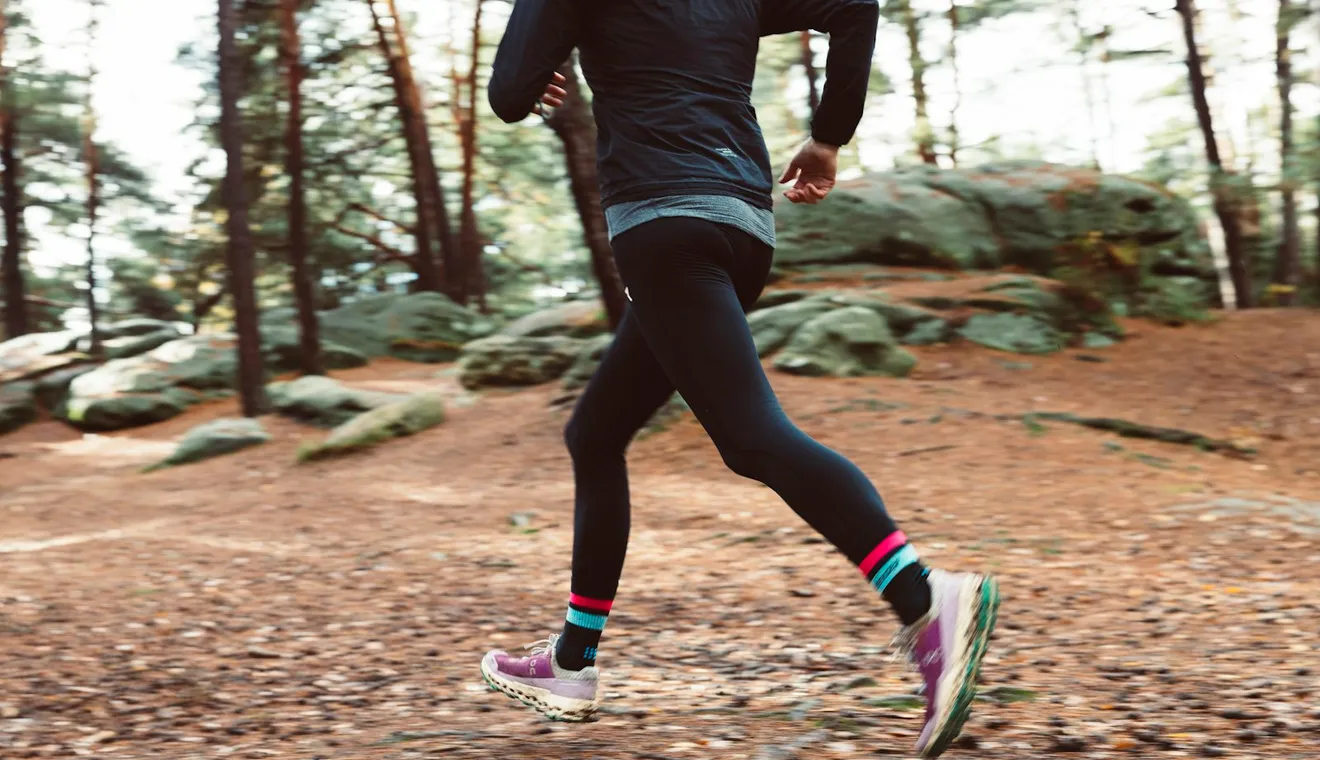
Weeks 1–2 — walk, that’s all. Ten to twenty minutes a day at a pace where you could talk but not sing. Add a second short walk whenever a craving hits. The goal in this fortnight is not fitness; it’s having somewhere to put the restlessness. Expect to cough. Expect to be slower than your ego suggests.
Weeks 3–4 — add duration. Push one walk to thirty minutes, three or four times a week. Start including hills or stairs. This is usually where people first notice they’re breathing more easily than they did a fortnight ago, and it’s the most motivating moment in the whole process.
Weeks 5–6 — add intensity, carefully. Intervals inside your walk: one minute fast, two minutes easy, repeated six to eight times. If you want to run, use the same structure — one minute jogging, two walking. Two of these sessions a week is plenty. Add two short sessions of simple strength work: squats, press-ups against a wall or floor, a plank.
Weeks 7–8 — make it a normal week. Three cardio sessions and two strength sessions, thirty minutes each. Whatever you actually enjoy — cycling, swimming, football, dance, hiking. Enjoyment is not a soft criterion here; it’s the entire mechanism by which this survives past week nine.
What to expect along the way
You will cough more before you cough less. Deep breathing pushes out mucus that has been sitting in airways whose cleaning system was switched off. It’s recovery, not damage. If it’s still getting worse after a couple of months, or you’re coughing up blood, see a doctor.
Your baseline will be worse than you remember. Whatever you could do at twenty is not the target. Comparing yourself to your own last week is the only comparison that produces progress instead of quitting twice.
Some days you’ll be flat. Withdrawal messes with sleep, and poor sleep flattens training. On those days, walk and go home. Showing up badly beats not showing up.
Don’t stack two hard projects. If you’re quitting, tapering nicotine and starting a strict diet in the same week, one of the three will collapse and take the others with it. Quit first. Train gently. Sort out the food in month three.
Something worth setting up in week one: a visible record of both things. Puff Counter shows the recovery milestones as they land — the twelve-hour carbon monoxide drop, the circulation window, the cilia coming back — which pairs neatly with the fact that your walk keeps getting easier. Two forms of evidence that the same thing is working.
Put your shoes by the door tonight. Walk when the craving comes. That’s the whole programme for week one.
Frequently asked questions
How long until I can breathe properly when exercising after quitting?
Circulation and lung function improve over the first two weeks to three months, and most people notice real change in stamina somewhere in the first month. Between one and nine months, the cilia lining your airways regrow and clear them, which is when coughing and shortness of breath drop noticeably (CDC).
Does exercise reduce nicotine cravings?
Yes, in the short term and quite reliably. A single bout of moderate exercise — even ten to fifteen minutes of brisk walking — reduces craving intensity and withdrawal symptoms during and shortly after the activity. Cochrane reviews have been more cautious about whether structured exercise programmes raise long-term quit rates, but the immediate craving effect is well supported.
Why am I coughing more when I exercise after quitting?
As your airways start clearing, the cilia that were paralysed by smoke come back online and push out mucus that had been sitting there. Deep breathing during exercise accelerates that. It typically peaks in the first few weeks and settles over one to nine months. A cough that worsens beyond that, or brings up blood, needs a doctor.
Should I start exercising the same week I quit?
Yes, gently. Walking from day one is one of the most useful things you can do, because it manages cravings, restlessness and mood at the same time. Save hard training for a few weeks in — the first week is not the moment to test your limits, and an early failure at the gym discourages more than it helps.